
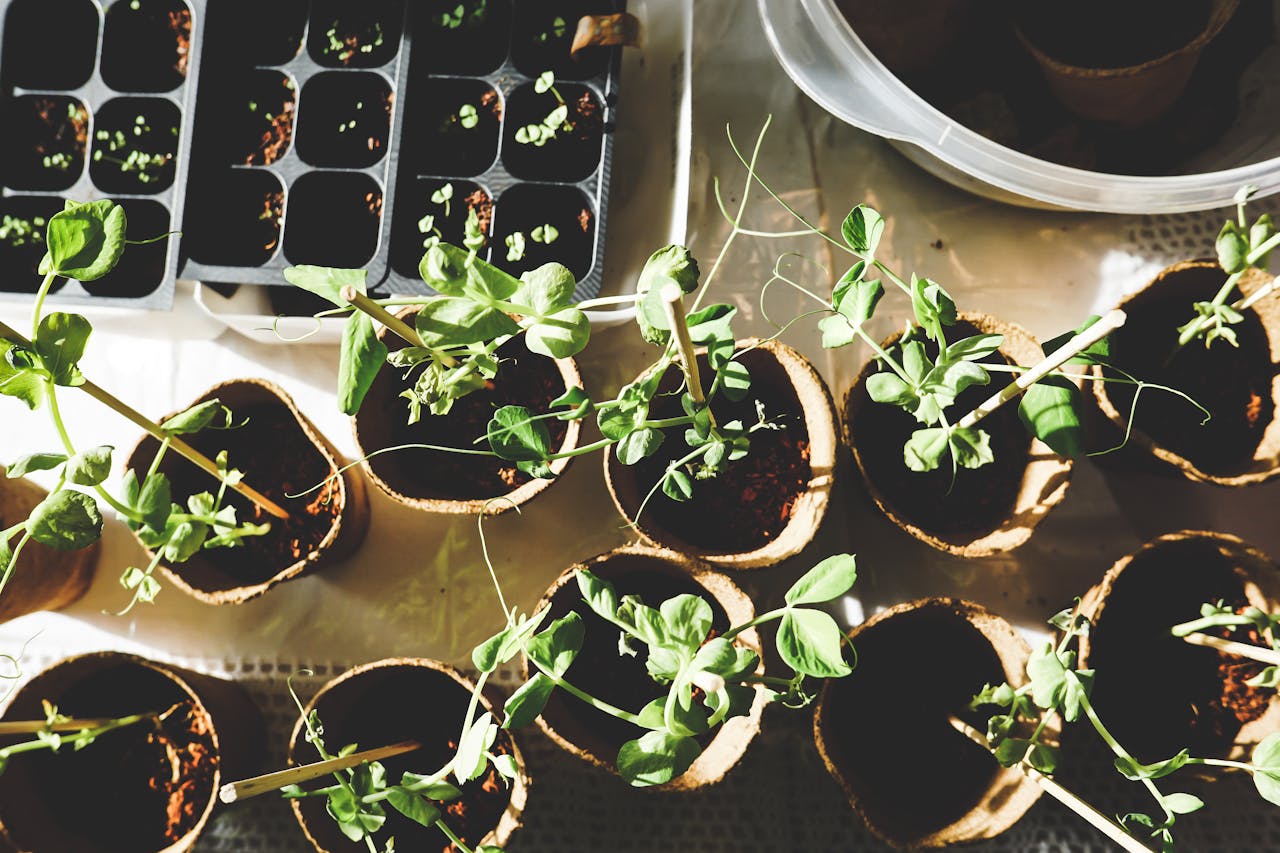
Growing Your Inner Garden: How IFS, Trauma-Informed Grounding, and Micro Mindset Shifts Cultivate Hope and Confidence
In a world that pulls us in a dozen directions at once, healing can feel like waiting for a seed to sprout in a storm. Many people enter therapy hoping that one day—maybe someday—confidence, calm, and clarity will just magically bloom. But emotional growth isn’t passive. It’s a garden you tend, one thoughtful moment at a time.
Internal Family Systems (IFS) therapy, especially when combined with trauma-informed grounding techniques, offers a powerful framework for cultivating the inner qualities you long for. Think of it as stepping into your own inner greenhouse. You learn to nurture what needs attention, prune what’s overgrown, and create conditions where hope and self-trust can thrive.
Let’s explore how.
1. The Inner World as a Garden: Reframing Healing With IFS
IFS teaches that your psyche isn’t a single voice—it’s an ecosystem of “parts,” each with its own job, history, and emotional needs. Some parts protect. Some carry wounds. Some hold your joy, playfulness, and creativity.
Imagine them as plants in your inner garden:
-
Tender seedlings → vulnerable parts that carry emotional pain or trauma
-
Tall protective hedges → protector parts that try to keep you safe
-
Rich soil → your Self-energy—your core qualities of compassion, curiosity, calm, and courage
-
Overgrown vines → old beliefs that choke out growth
Just like in a garden, nothing in you is “bad.” Each part has a function. But without awareness—without tending—the garden can get tangled. IFS helps you step into the role of the inner gardener, approaching each part with patience and respect.
2. Trauma-Informed Grounding: Preparing the Soil
Before you can cultivate hope or confidence, you need stable soil. Trauma can harden the ground, making growth feel impossible. Grounding techniques soften the terrain and bring you back to the present moment so you can work with your inner world safely.
Try these grounding “soil-prep” practices:
Breath as Watering
Slow, deep breaths nourish the nervous system—just as water prepares dry soil for new seeds.
Sensory Awareness as Sunlight
Noticing textures, sounds, or colors in your environment warms the present moment, providing the “sunlight” needed for growth.
Anchoring Statements as Roots
Phrases such as
“I am safe in this moment.”
help root you back into your body when old trauma weeds try to take over.
Grounding doesn’t erase trauma—but it provides the stability you need to approach your inner parts without being overwhelmed.
3. Micro Mindset Shifts: Daily Weeding and Watering
The biggest mistake people make is expecting one breakthrough to transform everything. Gardens don’t grow overnight—and neither do we.
Healing comes from micro shifts, small but consistent attention patterns:
-
Asking a stressed part, “What do you need right now?”
-
Replacing self-blame with curiosity for 10 seconds
-
Pausing before numbing behaviors
-
Offering compassion to a fearful part
-
Naming emotions instead of pushing them aside
These moments are like daily watering—tiny, consistent actions that tell your inner world:
“I’m here. I’m tending you. You matter.”
4. Intentionally Cultivating Qualities You Desire
You don’t grow confidence by wishing for it.
You grow confidence by caring for the parts that don’t feel confident yet.
In IFS, qualities like hope, courage, confidence, and inner safety are naturally present in your Self-energy. They flourish when you create an environment where parts feel supported.
Ask yourself regularly:
-
What qualities am I planting today?
-
What habits water those qualities?
-
What protective parts need reassurance so they stop overshadowing the seedlings?
Example:
If you want more confidence, tend to the part of you that’s afraid. Let that part tell its story. Offer compassion. Ground yourself. Then confidence has space to grow—not as a performance, but as a root-deep truth.
5. The Challenge of “Waiting for Change” vs. Actively Tending
One of the biggest internal battles is the belief:
“If I just wait long enough, things will get better.”
But gardens don’t weed themselves.
IFS invites you to:
-
Stop waiting for confidence, safety, or hope to magically appear
-
Start cultivating these qualities through intentional inner relationships
-
Listen actively instead of suppressing discomfort
-
Engage instead of avoid
Healing isn’t about forcing growth—it’s about creating the conditions where it naturally happens.
6. Building a Safe Inner World: Your Personal Greenhouse
Over time, through grounding, listening to your parts, and making gentle mindset shifts, you create an inner environment that feels safe. This inner greenhouse protects your growth from the storms of life.
Inside this safe world:
-
Vulnerable parts feel sheltered
-
Protector parts relax
-
Hope and confidence take root
-
You move from surviving to thriving
This is the heart of IFS:
building an inner world where all your parts feel welcome, seen, and supported.
Final Thoughts: Your Inner Garden Is Worth Tending
Healing isn’t about fixing yourself—it’s about cultivating what’s already inside you.
With IFS as your gardening guide, grounding as your soil, and micro shifts as your daily tending, your inner world becomes a place where growth is not only possible—it’s inevitable.
And you don’t have to wait for it.
You can start tending your inner garden today.
schedule here if you are ready to start cultivating your inner garden https://coastalclaritypsychotherapy.com/internal-family-systems-ifs/
https://www.verywellmind.com/what-is-ifs-therapy-internal-family-systems-therapy-5195336
Share this story

Carter Bain, LCSW is a Virginia Beach based psychotherapist offering online EMDR and intensives for individuals and couples.