
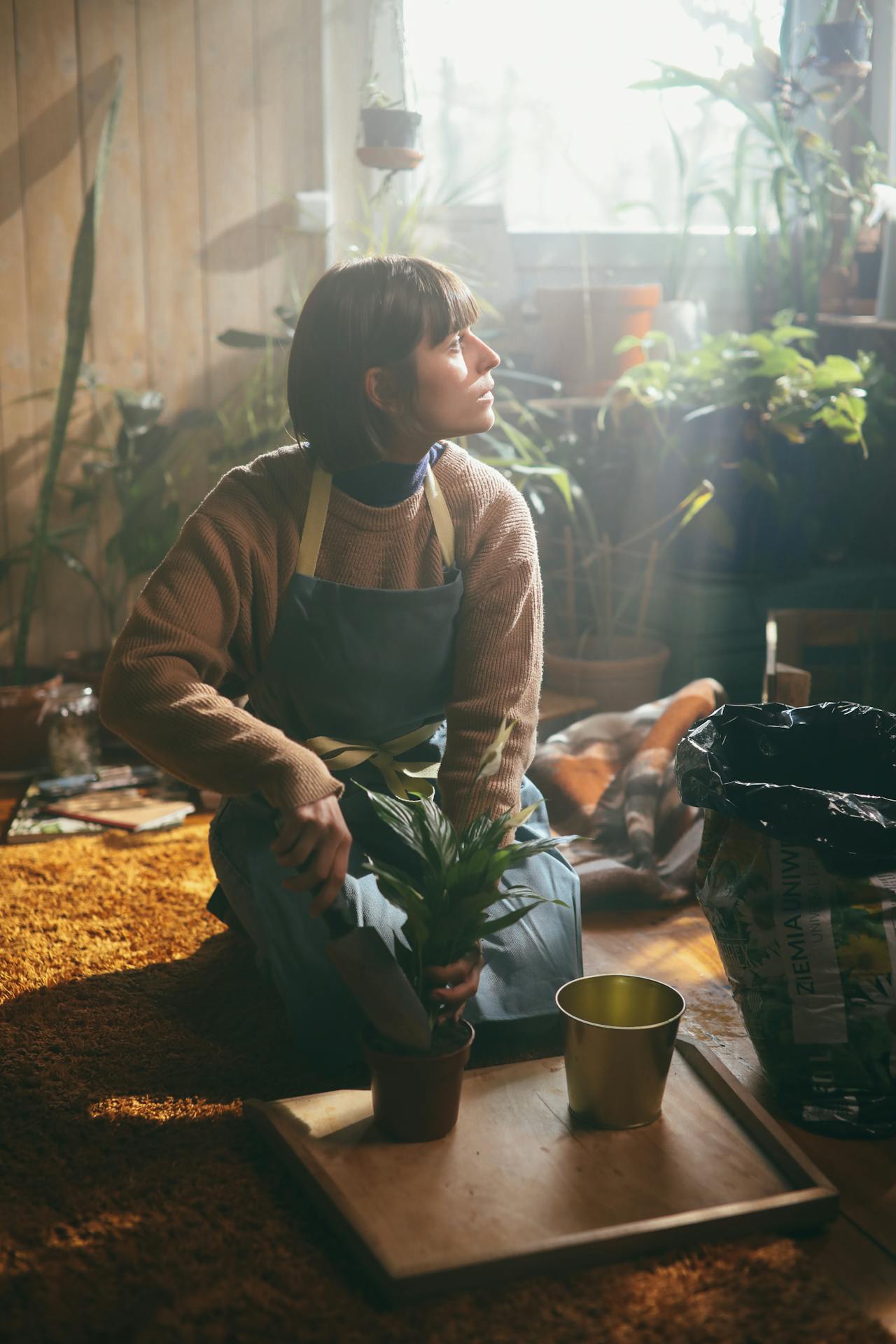
In today’s fast-paced world, many people feel disconnected from themselves and the earth beneath their feet. One of the most powerful ways to restore balance is through plant therapy—using plants and gardening not just as a hobby, but as a grounding practice that supports mental health. When combined with approaches like EMDR (Eye Movement Desensitization and Reprocessing), plant therapy can become a meaningful part of trauma recovery and emotional regulation.
As a therapist in Virginia, I, Carter Bain, LCSW, incorporate grounding practices and elements of horticulture therapy into my work, helping clients reconnect to the present moment through both science and nature.
The Science Behind Plant Therapy
Plants are more than just decoration. Research shows that interacting with plants lowers cortisol (stress hormone) levels, improves concentration, and boosts mood. Caring for a plant—watering, pruning, repotting—creates a repetitive rhythm that naturally slows the nervous system.
This aligns with what we know from neuroscience: grounding activities that engage the senses calm the amygdala, the brain’s fear center, and activate the parasympathetic nervous system (rest and digest mode). When we touch soil, smell greenery, or watch new growth, our bodies receive real physiological signals of safety.
Grounding With Plants
Grounding means reconnecting to the present moment, often through the five senses. With plants, you can ground yourself by:
-
Touch – Run your fingers through soil, moss, or leaves.
-
Smell – Breathe in the calming scent of lavender, rosemary, or mint.
-
Sight – Notice small details in your plant’s growth or leaf patterns.
-
Sound – Listen to water as you pour it into the soil.
-
Taste – Grow herbs like basil or thyme and incorporate them into meals.
These simple interactions anchor you to “now,” which is essential for anyone managing trauma, anxiety, or dissociation.
EMDR and Plant-Based Grounding
EMDR therapy is designed to help people reprocess traumatic memories while staying grounded and safe in the present. Adding plant therapy into EMDR sessions can enhance regulation by giving the client a physical grounding tool during difficult work. For example, holding a smooth stone from a garden or smelling fresh herbs can provide sensory input that reinforces safety while processing painful experiences.
In my Virginia practice, I encourage clients to use plants at home between EMDR sessions—creating grounding rituals like watering plants before or after therapy to reinforce healing.
Horticulture Therapy: Healing Through Care
Horticulture therapy is the intentional use of plant care as a therapeutic tool. It’s been shown to help with depression, anxiety, PTSD, and even chronic illness by combining physical activity with mindful grounding.
Some simple ways to practice horticulture therapy at home:
-
Start a potted herb garden in your kitchen.
-
Create a morning ritual of misting houseplants.
-
Repot plants as a metaphor for growth and change.
-
Journal about your plant’s progress as you track your own healing.
When integrated with trauma-informed approaches like EMDR, horticulture therapy becomes more than a hobby—it becomes a living metaphor for recovery.
Plant Therapy in Virginia With Carter Bain
Whether you’re managing trauma, anxiety, or just feeling disconnected, grounding through plant therapy can be a powerful complement to professional support. As an EMDR therapist in Virginia, I help clients use both evidence-based practices and nature-based grounding to reconnect to themselves and move toward healing.

If you’re curious about EMDR, horticulture therapy, or learning how to use plants as grounding tools, I’d love to support you. https://coastalclaritypsychotherapy.com/
https://alliance4healing.com/cultivating-healing-the-connection-between-gardening-and-emdr-therapy/
Share this story

Carter Bain, LCSW is a Virginia Beach based psychotherapist offering online EMDR and intensives for individuals and couples.