

Debunking Common Therapy Myths: Understanding the Real Purpose of Therapy in Virginia
Therapy has been a long-standing tool for personal growth, mental health, and healing. Yet, despite its widespread benefits, many still harbor misconceptions about what therapy really entails. From the public’s expectations of therapy as a quick fix to misunderstandings about the therapeutic space itself, there is a need to set the record straight.
In this blog, we will debunk common therapy myths, explore the real purpose of therapy, and provide insight into trauma therapy modalities that go deeper into healing. Whether you’re in Virginia or anywhere else, it’s important to grasp what therapy can truly offer and how it can support you in learning, growing, and transforming.
1. Myth: Therapy is Only for “Fixing” Problems
One of the biggest myths surrounding therapy is the idea that it’s just a place to go when something is “broken” or when there’s an urgent problem that needs to be fixed. This creates the misconception that therapy is about simply finding a solution or solving issues. However, this perspective doesn’t capture the full essence of the therapeutic process.
Reality: Therapy is not just about fixing what’s broken—it’s about sharing space with a skilled professional who can help you learn more about yourself, your emotions, and your behaviors. The goal is to facilitate personal growth, resilience, and self-awareness, not simply to “repair” something. You don’t have to have a specific issue to benefit from therapy. People see therapists to work on improving their mental health, navigating life transitions, or even just to feel heard and supported.
Therapists provide a safe, non-judgmental space where you can explore your thoughts, feelings, and behaviors. This space encourages self-discovery and emotional regulation, enabling you to learn and grow from your experiences. Therapy is as much about the journey of self-exploration as it is about addressing challenges.
2. Myth: Therapy is Just About Talking
Another common myth is that therapy is solely about talking about your problems. While verbal expression is a significant part of therapy, it’s not the only method that therapists use to guide you toward healing.
Reality: Therapy is a multi-faceted process that involves not only talking but also practicing new skills, exploring past experiences, and sometimes even engaging in non-verbal approaches. Therapists use a combination of talking, mindfulness exercises, experiential techniques, and body-based approaches to support you.
For instance, trauma-informed therapy doesn’t rely solely on conversation. It integrates various methods like somatic experiencing or brainspotting, which involve engaging the body and mind to process and release trauma stored in the nervous system.
3. What is Trauma Therapy?
When discussing therapy, it’s important to highlight the role of trauma therapists and the specialized training they undergo to provide deeper, more effective support. Trauma therapy is distinct from general therapy in its focus on helping individuals heal from experiences of profound emotional or psychological harm.
What Makes Trauma Therapy Different?
Trauma therapists are trained in specific modalities to work with individuals who have experienced trauma, which may not be fully processed through traditional talk therapy. These therapies often involve processing deeply held emotions and memories that the body and mind may not have fully integrated or healed. Trauma therapy emphasizes safety, empowerment, and trust as key components.
4. Trauma Therapy Modalities: How Do They Work?
Here are a few powerful modalities used by trauma therapists to help individuals heal:
-
Brainspotting: A cutting-edge trauma therapy technique that helps identify, process, and release trauma stored in the body through the visual field. It uses the theory that where you look can affect how you feel. The therapist guides you to find “brainspots” linked to unresolved trauma, allowing the brain to process these experiences and reduce their emotional charge.
-
Internal Family Systems (IFS): IFS focuses on the idea that we all have different “parts” within us (like the inner child, protector, or critic) and that healing involves understanding and integrating these parts. IFS helps individuals navigate inner conflicts, process trauma, and restore harmony within the self.
-
EMDR (Eye Movement Desensitization and Reprocessing): EMDR uses bilateral stimulation (like eye movements) to help the brain reprocess distressing memories. It’s especially effective for trauma and PTSD, as it enables the brain to reprocess trauma memories in a way that reduces their emotional intensity and helps the person reframe their experience.
-
Somatic Experiencing: This modality focuses on how trauma manifests in the body and how to release it. Trauma often stays trapped in the nervous system, causing physical and emotional distress. Somatic experiencing helps individuals become aware of their bodily sensations and release tension, allowing for deeper healing.
5. Top-Down vs. Bottom-Up Processing in Therapy
It’s important to understand the distinction between top-down and bottom-up processing, especially when it comes to trauma and healing.
-
Top-Down Processing refers to the cognitive approach, where thoughts and beliefs about the world shape emotional responses. This is the traditional approach most people think of when it comes to therapy. Talk therapy, CBT, and other cognitive therapies generally work in this way by helping you shift your thinking patterns and beliefs.
-
Bottom-Up Processing works the other way around. Instead of starting with thoughts, this approach focuses on the body, emotions, and physical sensations. It’s often used in trauma therapies like somatic experiencing, EMDR, and brainspotting. By working with the nervous system, the goal is to release stored trauma at the body level before reprocessing it mentally.
Both approaches are valuable and can work together in a holistic treatment plan. Talk therapy is essential for understanding your thoughts and emotions, while body-based therapies can help release the deeper, unspoken trauma.
6. Don’t Underestimate Talk Therapy
While these trauma-specific modalities are powerful, it’s important not to dismiss the value of traditional talk therapy. Cognitive-behavioral therapy (CBT), dialectical behavior therapy (DBT), and psychodynamic therapy remain invaluable tools for addressing everything from anxiety and depression to relationship struggles and self-esteem issues. These methods allow you to gain insight into your thoughts, create strategies for coping with challenges, and develop long-term tools for mental well-being.
Therapists in Virginia (and across the country) are trained to tailor their approach to your individual needs, and for many, a combination of talk therapy and trauma-specific therapies offers the best results. Remember, therapy is not a one-size-fits-all process—it’s a collaborative journey where the therapist and client work together to achieve personal growth and healing.
Conclusion: Therapy is a Powerful Tool for Healing and Growth
At its core, therapy is about finding the right approach for you. Whether you’re exploring trauma, working through relationship struggles, or simply seeking personal growth, there are multiple pathways to healing. In Virginia, trauma-informed therapists are well-trained in modalities like Brainspotting, Internal Family Systems, EMDR, and Somatic Experiencing, all of which can help you process deep-seated trauma and emotional distress.
By debunking common therapy myths and exploring the therapeutic tools available, we hope to provide a clearer picture of what therapy truly offers. Therapy is not about fixing you—it’s about learning, growing, and exploring ways to live your best life. Don’t be afraid to take that first step and reach out to a qualified therapist who can support you in your healing journey.
Click this link if you are ready to schedule a session and debunk common therapy myths https://coastalclaritypsychotherapy.com/
Learn more here https://www.psychologytoday.com/us/basics/therapy
Share this story
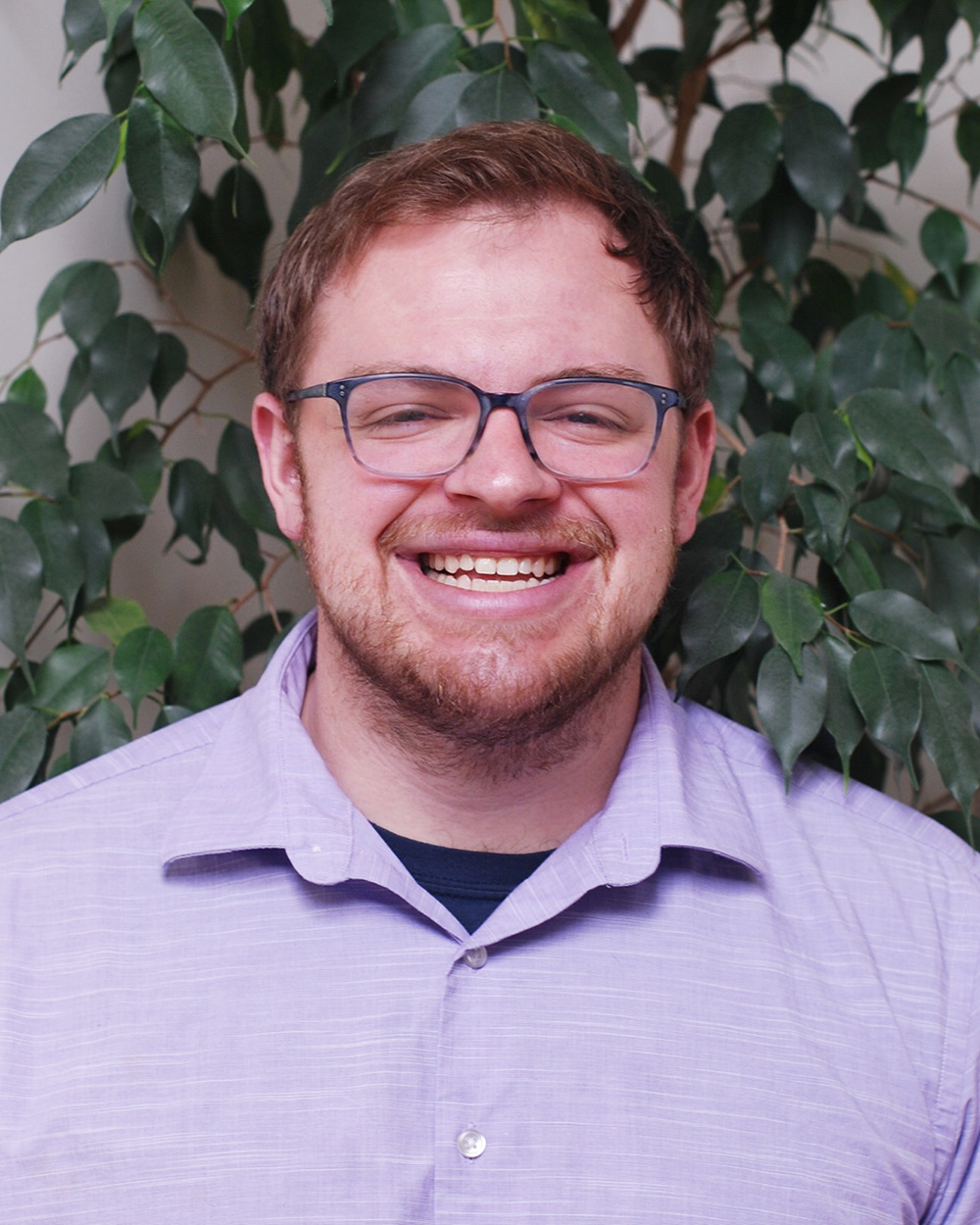
Carter Bain, LCSW is a Virginia Beach based psychotherapist offering online EMDR and intensives for individuals and couples.